The Spicy Scoop: Unwrapping the Shocking Truths of Indian Cuisine
Indian cuisine is not just food; it's an epic saga of flavors, a symphony of spices, and a tapestry of textures that tell tales as old as time. But how much do you really know about this culinary marvel? Let's dig into the shocking truths of Indian food that will leave your taste buds tantalized and your perceptions forever changed.
A Melting Pot of Flavors
One of the most astonishing facts about Indian cuisine is its staggering culinary diversity. With 29 states and 7 union territories, each region brings its own unique dishes and cooking styles to the table. From the creamy gravies of the North to the fiery curries of the South, the variety is endless. It's not all about the heat, though; many Indian dishes are subtly flavored with fragrant herbs and aromatic spices that tantalize rather than overwhelm the palate.
Spices: More Than Just Heat
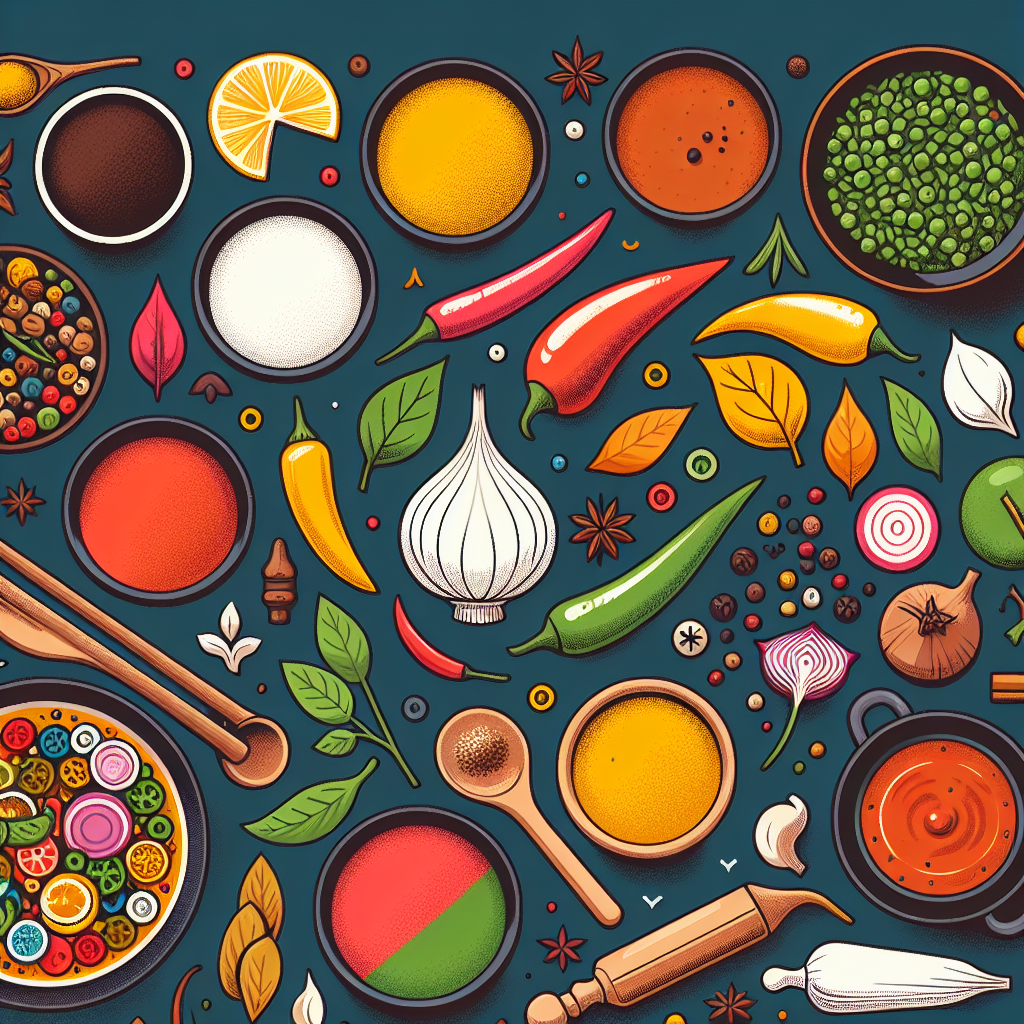
Speaking of spices, let's bust a major myth: Indian food isn't just about chili and heat. In fact, spices like turmeric, cardamom, cinnamon, and coriander are staples in an Indian kitchen, each adding a layer of complexity to the dishes. Spices are not just flavor enhancers; they boast health benefits too. Turmeric, for example, is celebrated for its anti-inflammatory properties, while cinnamon is known to regulate blood sugar levels.
Vegetarian Heaven
Another shocking truth is that Indian cuisine is a paradise for vegetarians. It's estimated that over 30% of Indians are vegetarians, making it one of the largest vegetarian-friendly countries in the world. From savory paneer tikka to hearty dal (lentil soup), the array of vegetarian dishes is vast and varied, debunking the myth that meatless meals are monotonous.
The Street Food Phenomenon
Indian street food is a universe in itself. Every street corner offers a plethora of snacks that are as delicious as they are affordable. Chaat, pani puri, vada pav, and samosas are just a few of the mouth-watering options available. These quick bites are an integral part of Indian food culture and are as authentic as it gets when it comes to experiencing the local cuisine.
Home Cooking vs. Restaurant Fare
The Indian food you often find in restaurants abroad is quite different from the everyday meals cooked in Indian homes. Dishes like butter chicken and naan are more of a treat than a daily staple. Home cooking in India leans toward simpler, less rich fare, focusing on a balanced combination of veggies, lentils, grains, and yogurt.
The Cultural Significance of Food
Food in India is deeply intertwined with cultural significance. It's not just sustenance; it's a way of life. Festivals, religious ceremonies, and social gatherings are all marked by specific foods. For instance, during Diwali, the festival of lights, families prepare and exchange sweets like ladoos and barfis as a symbol of spreading joy.
The Health Angle
Contrary to the popular belief that Indian food is unhealthy, traditional Indian cooking is quite nutritious. Meals are designed to be well-rounded, with carbs, proteins, fats, and fiber in balanced proportions. Ingredients like ginger, garlic, and onions are used for their medicinal properties, and dishes are often cooked in ways that preserve the nutritional value of the ingredients.
Regional Specialties
Each region of India has its own regional specialties that reflect the local culture, climate, and resources. Kashmiri cuisine, for example, is known for its rich and aromatic dishes like rogan josh, while coastal regions like Goa and Kerala are famous for their seafood curries. Exploring Indian cuisine is like taking a culinary tour of the country's diverse landscapes and traditions.
Food Myths Debunked
Let's tackle some food myths. No, not all Indian food is spicy. Many dishes are mild and focus on the delicate balance of flavors. And no, curry powder is not a thing in India. Each curry has its own blend of fresh spices, and the term "curry" is actually a Western creation.
Traditional Cooking Techniques
Indian cooking employs a range of traditional cooking techniques that contribute to the unique flavors of the cuisine. Slow cooking, or dum pukht, allows for deep flavor infusion, while tandoori cooking imparts a distinctive charred taste. Even the utensils used, like the heavy-bottomed kadai or the clay tandoor, play a role in the final taste of the dish.
The Global Influence
Indian cuisine has left its mark on the world, influencing the culinary landscape far beyond its borders. Dishes like chicken tikka masala have become global favorites, and ingredients like curry leaves and garam masala can be found in kitchens around the world.
In conclusion, Indian food is a world of its own, rich in history, diversity, and flavor. It's a cuisine that continually surprises and delights, breaking down myths and broadening palates. So, the next time you indulge in a plate of biryani or a cup of masala chai, remember the shocking truths behind the flavors and the incredible journey of Indian cuisine.


